
The Link Between Exercise and Body Image: Reconnecting with Our Bodies in Eating Disorder Recovery
Exercise can be helpful in improving our body image. However, it’s important to shift our perspective away from weight loss or body composition, which is often the focus. Instead, exercise helps us connect with our bodies, and we know that a greater connection and sense of safety in our bodies is central to a positive body image.
Our body image answers the question: what is it like for you to have a body? It’s informed by the sum of all your experiences in your body and the connection you have with it. Body image is closely linked to our sense of safety. In fact, five out of nine areas of the brain involved in processing body image are related to affective processing and nervous system dysregulation, particularly concerning our sense of safety.
We Are Wired for Connection
When our sense of connection and belonging is threatened, our nervous system is activated, and we enter survival mode. In survival mode, we can begin to disconnect from our bodies. This state often leads to reactive behaviours that are not in alignment with our values, resulting in further shame and disconnection from ourselves and others.
Disconnection from our bodies can lead to a negative body image. Body image is how we relate to our body-related experiences, so when these experiences don’t feel safe, we feel a disconnect, leading to negative body image. This, in itself, can be distressing and further exacerbate the body’s stress response.
Over-Exercising & Body Image
Naturally, we want to feel better, so we adopt coping mechanisms like over-exercise.
When we over-exercise, we disconnect from our bodies, senses, and emotions. We neglect our needs, pushing through pain and discomfort for a goal we may not even understand.
Sometimes over-exercise provides short-term relief but often keeps us in survival mode—disconnected from ourselves and further from safety. As our body image is so tightly associated with our sense of safety in our bodies, over-exercise, leads us further and further away from a positive body image.
Furthermore, over-training can often take a lot of our time and energy away from other things that we love and value. When we are misaligned from our values we can feel guilt and shame and further disconnect from our selves and others.
Helpful Exercise & Body Image
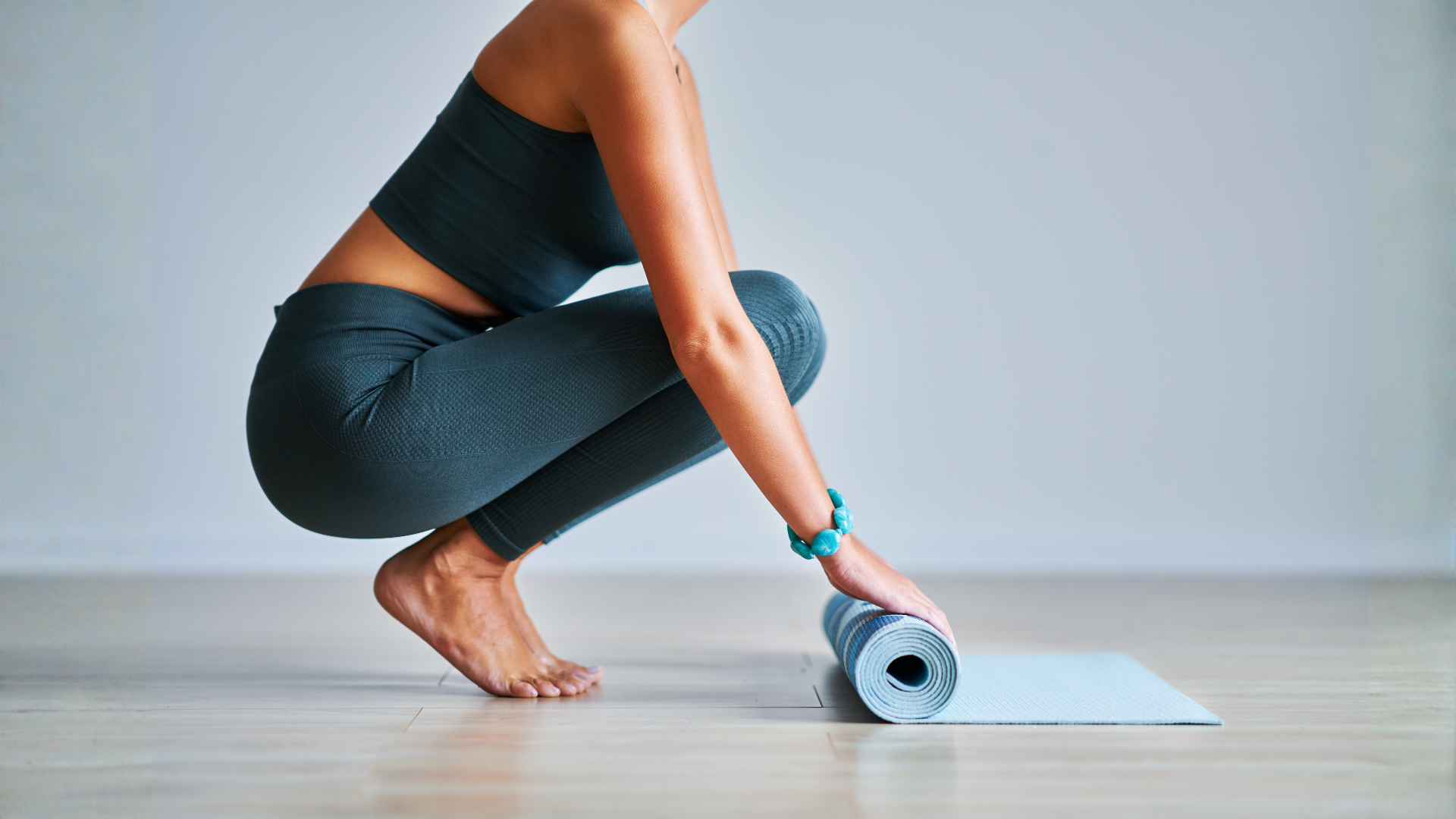
While over-exercising can have clear negative impacts on our body image, movement can also be really helpful for promoting a positive body image. Working on your relationship with movement isn’t about stopping training, it’s about learning how to move in a way that is strengthening the connection you have with your body and with others. Helpful exercise meets these 4 criteria:
- It rejuvenates, rather than exhausts or depletes
- It enhances the mind-body connection
- It alleviates stress, rather than amplifies stress.
- It provides genuine enjoyment and pleasure.
What this looks like will be different for everyone, and we would recommend working with a mental health exercise physiologist to explore how these may look for you in more depth.
Does this mean pushing myself is bad?
Not necessarily. Pushing ourselves to train hard can be an important part of strengthening our connection with our bodies. However, we want to train hard with respect for our bodies. This may look like:
Noticing:
- Noticing our breathing and feeling changes to sensations in our chest.
- Noticing how our muscles feel.
- Noticing where our body is in space and where our weight is distributed.
- Noticing when you need rest.
Building confidence and respect for your body:
- Exploring your limits with curiosity and respect.
- Appreciating your resilience – the physical ability of your body to withstand and output force and your ability to overcome mental barriers.
Meeting your needs:
- Allowing time to rest and recovery.
- Giving your body the nutrition it needs for training and recovery.
- Being aware of the impact of your training environment.
- Knowing when pushing yourself in training will serve you and when it won’t.
Exercise and eating disorder recovery
Exercise and movement may look different at different stages of eating disorder recovery. When you are undernourished, many systems in your body are impacted and perhaps the level of exercise or training you’re used to can become dangerous and we may not be able to safely push our bodies as we used to.
As we work together we want to explore what reconnecting with our bodies through movement may look like now and also in the future when you are restored to full health.
December 6, 2025


Be the first to comment