
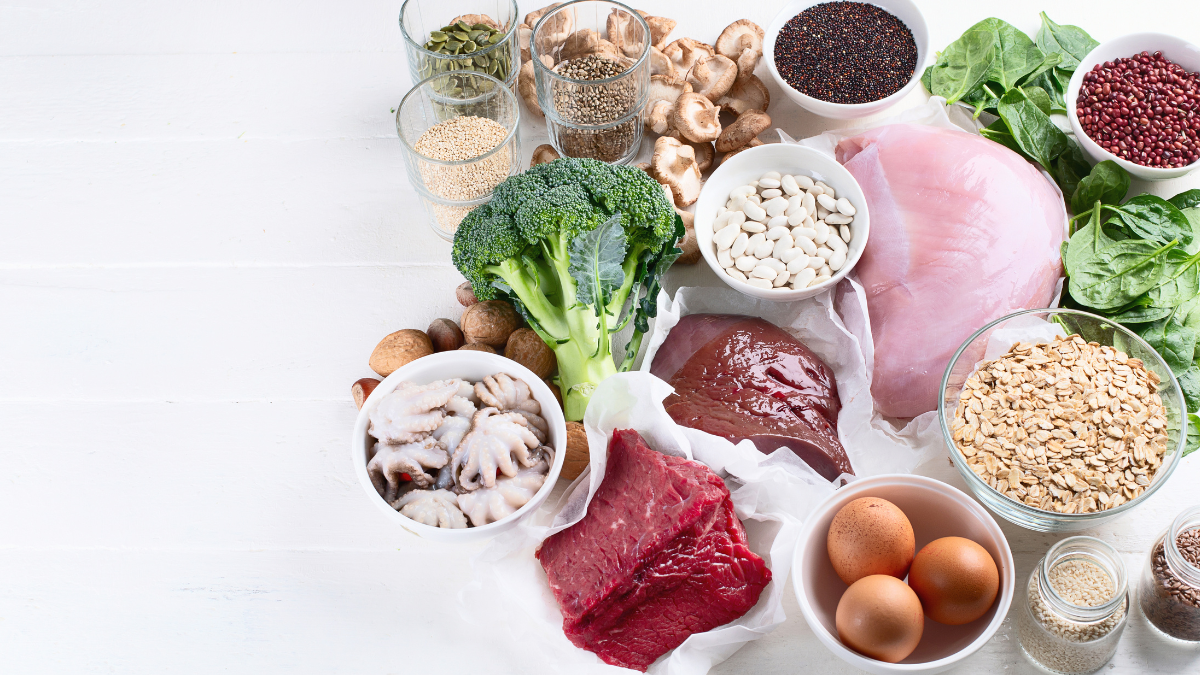
Importance of Iron in Sport
What is iron?
Iron is an essential mineral that you obtain through your diet. The body requires iron for many functions such as transporting oxygen around the body, producing red blood cells, maintaining immune function and producing energy for exercise.
Why is iron intake important for athletes?
Low iron status is not only detrimental to your overall health, but also negatively impacts your exercise performance. Iron plays a key role in oxygen transport (as part of haemoglobin in your red blood cells) therefore if your iron status is low, oxygen is not transported around the body to working muscles as efficiently. Secondly, iron is a key part of the process which converts the food you eat to energy for exercise. Without sufficient iron, the body is unable to obtain maximal energy benefits from the fuel you provide it. Clearly, it is vital that athletes are eating a diet which provides them with adequate amounts of iron to achieve peak performance.
Iron requirements of athletes
Athletes tend to be more susceptible to low iron levels for a number of reasons:
- Increased requirement due to production of red blood cells during training
- Increased growth requiring iron i.e. lean body mass
- Iron losses in sweat
- Dietary restrictions, especially in sports with an aesthetic component
- High altitude training
- Blood loss through damage to blood cells from consistently running on hard surfaces (foot strike haemolysis)
- Blood loss through minor damage to the digestive tract during strenuous exercise
- Increased incidence of injury
Due to this, the iron requirements of athletes are generally greater than that of the general population.
Iron requirements vary greatly between individual athletes depending on a number of factors such as their gender, the nature of their activity, sweat losses, etc. Athletes should work with their team to determine their individualised iron needs. As a starting point, the general population guidelines suggest an intake of 8mg/day for men and 18mg/day for women. Athletes should aim for an intake that at minimum meets, or even exceeds, this recommendation.
It is worth noting that iron also has an upper level of 45mg/day, meaning that athletes should be careful not to exceed this amount in order to avoid toxicity. This amount, however, is difficult to surpass without supplementation.
Sources of dietary iron
Dietary iron exists in two different forms:
- Haem iron (from animal foods) is absorbed by your body about 10x better than non-haem iron
- Non-haem iron (from plant foods) is not absorbed by the body as well as haem iron
When considering the iron content of foods in your diet, it is important to consider which form the iron is in to get an idea of how much your gut is actually absorbing.
Haem Sources of Iron:
| Food | Iron (mg) |
| 100g Lean Beef (cooked) | 3.1 |
| 100g Lean Lamb (cooked) | 2.7 |
| 100g Tin Tuna | 1.0 |
| 100g Chicken (cooked) | 0.9 |
| 1 Egg | 1.1 |
Non-Haem Sources of Iron:
| Food | Iron (mg) |
| 100g Chickpeas | 6.2 |
| 100g Firm Tofu | 5.2 |
| 50g Almonds | 1.8 |
| 1/2 cup Spinach (cooked) | 2.2 |
| 1 cup Oats (cooked) | 1.3 |
Iron supplementation is not required or recommended unless a deficit has been identified and you are working closely with a health professional.
Tips for preventing and treating iron depletion
Those athletes most at risk of iron deficiency and depletion are women, vegetarians/vegans, those on energy restrictive diets and athletes with poor quality diets. This being said, anyone can experience iron depletion. Here are some practical tips to manage iron levels as an athlete:
- Focus on increasing haem sources of iron for optimal absorption
- Consume iron rich foods with a side of orange juice – vitamin C aids iron absorption!
- Avoid tea and coffee at mealtimes involving iron rich foods – they can block iron absorption
- Try to avoid high volumes of other nutrients (calcium, zinc, manganese) in meals where iron intake is a focus as they can compete for, and ultimately reduce, absorption
- If you are experiencing fatigue, increased incidence of illness, poor appetite or elevated resting pulse rate talk to a medical professional about being tested for iron depletion
December 8, 2025


Be the first to comment