Returning to Sport After Eating Disorder Treatment: What Athletes and Coaches Need to Know

September 24, 2026
If you’re an athlete who’s been through eating disorder treatment, “when can I get back to training” is probably one of the first questions you asked, and one of the hardest to get a straight answer to. If you’re a coach, you might be sitting with an athlete who’s medically cleared but you’re not sure what that actually means for what you can ask them to do, or what to say to the rest of the team. Both of these situations are more common than people realise, and both deserve better than “just ease back in and see how you go.”
Returning to sport after eating disorder treatment isn’t a single decision made on one appointment day. It’s a process, and it’s one where the competitive environment itself, not just the athlete’s eating, needs to be part of the plan.
Why medical clearance isn’t a single tick box
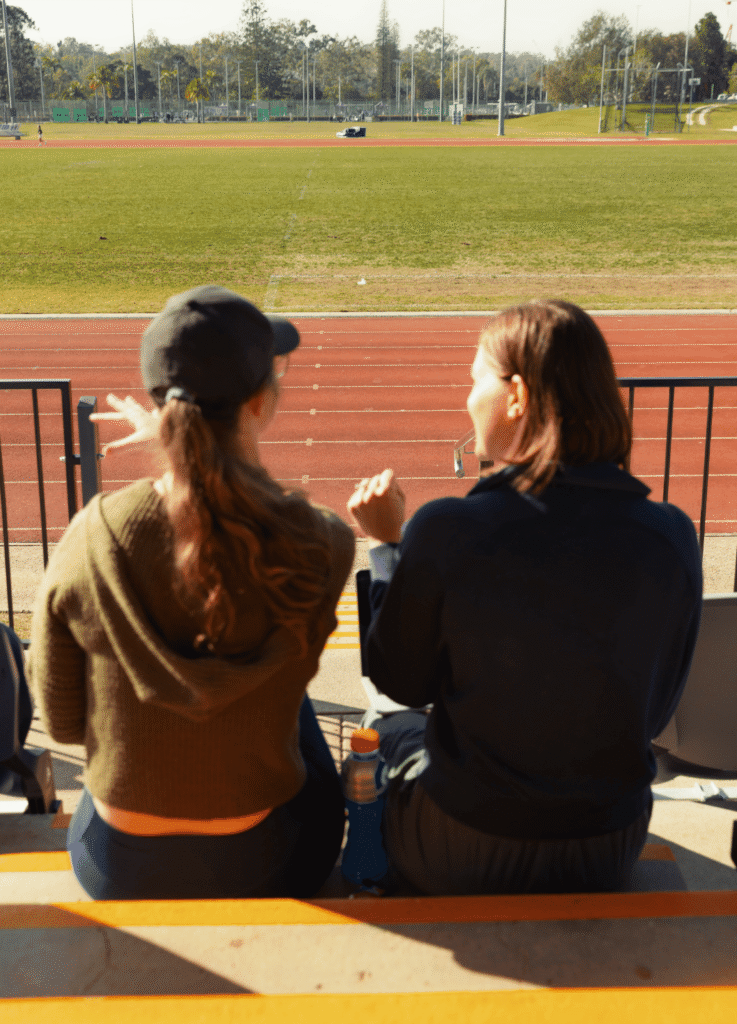
Medical clearance to return to sport usually gets talked about as a yes/no moment, but in practice it’s rarely that simple. A proper clearance process involves more than one person: a GP or sports physician looking at physical markers like heart rate, bone health and menstrual function if relevant, alongside a dietitian assessing energy intake against training demands, and a psychologist or therapist assessing whether the athlete’s relationship with exercise itself has shifted.
This matters because the physical markers can look fine while the psychological drivers haven’t changed. Research on athletes recovering from Relative Energy Deficiency in Sport (RED-S), a condition where the body isn’t getting enough fuel to support both health and training load, found that clearance decisions in real clinical practice were often more individualised than standard assessment tools would suggest. Some athletes needed a complete pause from training, others needed a reduced load with monitoring, and the right call depended on the whole picture, not just one test result [1][2].
A clearance conversation worth having covers what type of training is appropriate right now, how that might change over coming weeks, what specific things would trigger a step back, and who is checking in and how often. If a return to sport plan doesn’t include follow up, it isn’t really a plan.
Why “just eat more and you’re fine” isn’t sufficient
This is the piece that gets missed most often, by athletes, coaches and sometimes well meaning treatment teams. Getting energy intake up to match training demands is necessary, but it’s not the whole story.
Eating disorders don’t just affect what someone eats. They affect how a person relates to their body, to control, to performance, and often to their own sense of worth. For many athletes, exercise itself became part of the eating disorder, whether as a way to manage anxiety, to “earn” food, or to chase a body that never felt sufficient. Restoring adequate intake without addressing that relationship to exercise means the underlying pattern is still there, just with better fuel behind it.
This is part of why multidisciplinary care matters so much in this phase. Nutrition rehabilitation, medical monitoring and psychological support need to run together, because a return to sport that’s only tracking food or only tracking training numbers is missing the parts of recovery that predict whether it’s sustainable [2]. If you’re supporting a client or athlete through this, it’s worth checking that all three are actually in the room, even if that means coordinating between practitioners rather than one person carrying the whole plan.

Talking to coaches without over-disclosing
Athletes are often wary about what a coach will know, and coaches are often unsure what they’re allowed to ask. Neither side benefits from vague half conversations, so here’s a more useful way to think about it.
A coach doesn’t need clinical details. They don’t need to know specific numbers, diagnoses, or what happens in appointments. What they do need, in order to actually support a safe return, is practical information: what training is currently approved, what to watch for that would mean checking in with the athlete or the treatment team, and who to contact if something changes. That’s it. Health information beyond that isn’t the coach’s to hold, and treatment teams generally won’t share it without the athlete’s consent [3].
For athletes, it can help to prepare a short, factual script rather than feeling like you either say everything or nothing. Something like: “I’ve been cleared for these sessions at this intensity, this will be reviewed in a few weeks, and if I need to sit something out I’ll let you know.” That gives a coach what they need to plan training and keep an eye out, without turning a private medical process into a team conversation.
For coaches, the most useful role is often the simplest one: create a training environment where an athlete doesn’t have to justify eating enough, doesn’t hear body or weight commentary directed at anyone on the team, and knows that stepping back from a session if they need to won’t be treated as a lack of commitment [3]. That environment does more for a safe return than any individual conversation will.
Relapse risk in competitive environments
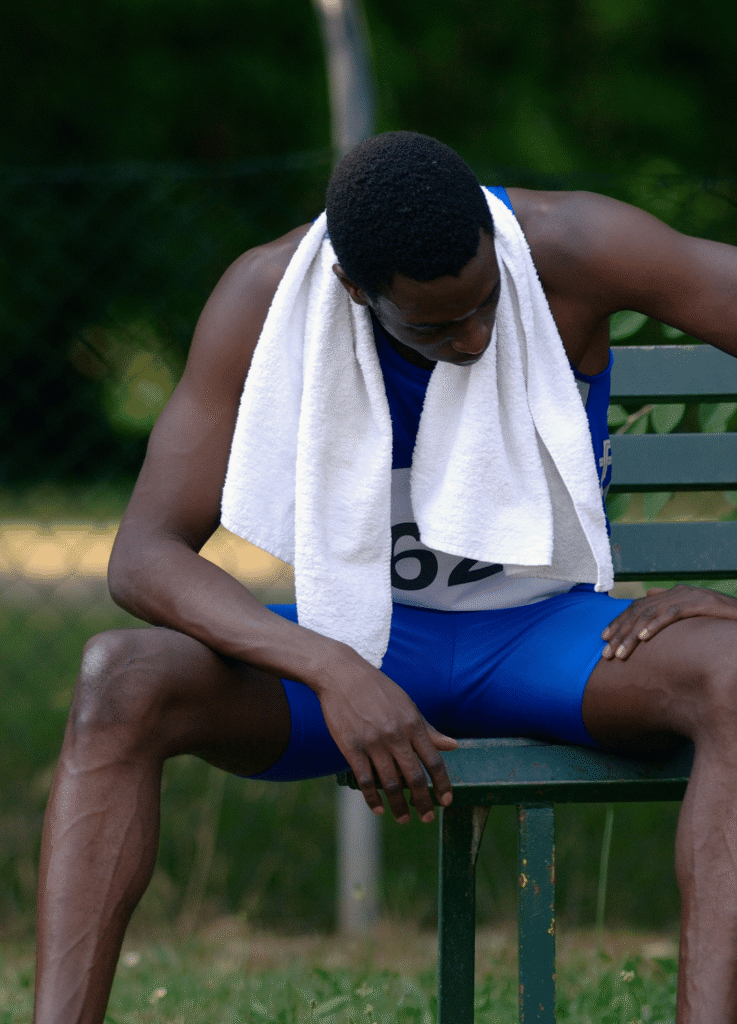
Competitive sport has some features that make relapse risk different from a general return to exercise, and it’s worth exploring them.
Selection pressure and performance measurement can quietly reintroduce the same scarcity mindset an eating disorder thrives on. A missed session or a dip in performance can feel, to an athlete in recovery, uncomfortably close to the anxious self monitoring that fuelled the illness in the first place. Team culture around weight, physique or “discipline” can still put real pressure back on an athlete, even when their own eating is stable, particularly in weight category or aesthetic sports. And return to sport itself, even when medically appropriate, is a period of heightened vulnerability, because the structure and identity that come with training and competing were often tightly bound up with the eating disorder to begin with.
Warning signs worth taking seriously in this period include a pull toward pushing past what’s been approved, motivation that’s shifted toward changing the body rather than participating, anxiety that spikes on rest days, and old thought patterns resurfacing around food or training that hadn’t been present for a while [4]. None of these mean a return to sport was the wrong call. They mean the plan needs a check in, sooner rather than later.
Recovery from an eating disorder isn’t linear, and a setback during return to sport isn’t a failure, either the athlete’s or the treatment team’s. It’s information, and it’s exactly why ongoing monitoring matters more than a single clearance appointment.
If you’re supporting an athlete refuelling for a demanding competition schedule, our post on nutrition recommendations for multiple day events and tournaments covers how to think about fuelling load across a season, which is often part of this same return to sport conversation.
Support along the way
If you’re an athlete navigating a return to sport, or a coach or parent trying to work out how to support one, you don’t have to work it out alone. At All Bodies Services we work with athletes and treatment teams through this exact process, in person in East Brisbane or via telehealth wherever you are. If it would help to talk through where things are at, you’re welcome to book a discovery call.
You may also be interested in


References
[1] Mountjoy M, Sundgot-Borgen J, Burke L, et al. The IOC consensus statement: beyond the Female Athlete Triad, Relative Energy Deficiency in Sport (RED-S). Br J Sports Med. 2014. Available at: https://pubmed.ncbi.nlm.nih.gov/24620037/
[2] Relative Energy Deficiency in Sport, Multidisciplinary Treatment in Clinical Practice. PMC. Available at: https://pmc.ncbi.nlm.nih.gov/articles/PMC11767807/
[3] National Eating Disorders Association. The Potential Role of the Coach. Available at: https://www.nationaleatingdisorders.org/the-potential-role-of-the-coach/
[4] Eating Disorders Victoria. Eating Disorders and Exercise. Available at: https://eatingdisorders.org.au/eating-disorders-a-z/eating-disorders-and-exercise/

Be the first to comment