Is Chasing a Lean, Muscular Body Really Healthier Than Wanting to Be Skinny?
January 13, 2026
For a long time, weight was the villain.
The scale was blamed for everything. Disordered eating. Poor body image. Burnout.
So the advice shifted.
“Don’t focus on weight.”
“Focus on body composition instead.”
“Build muscle. Lose fat. That’s health.”
On the surface, this sounded like progress. More science-based. Less superficial. More aligned with performance and wellbeing.
But in practice, many people haven’t found freedom. They have just found a new thing to obsess over.
At All Bodies, we see this pattern every week. People leave scale anxiety behind, only to feel just as trapped by leanness, muscle definition, or body fat percentage.
So the question matters.
Is chasing a lean, fit-looking body actually healthier, especially for mental health? Or is it just diet culture in a new outfit?
From Skinny Ideals to “Fit” Ideals
Culturally, we like to believe we have evolved.
Thinness is supposedly out. Strength is in.
Abs are framed as dedication. Muscle is framed as discipline.
Leanness is framed as health.
But ideals do not disappear. They just change shape.
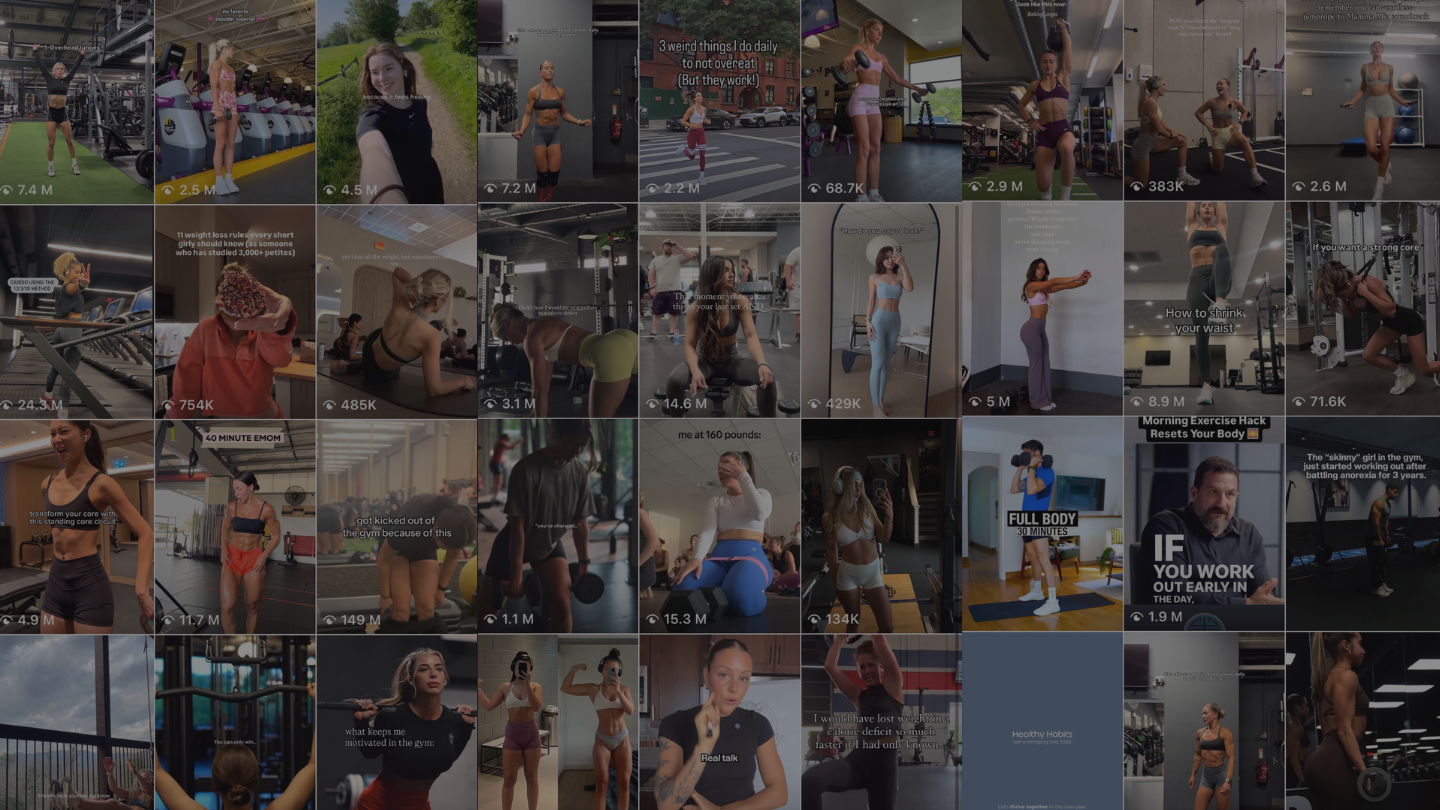
The pressure to be small has often been replaced with pressure to be lean, toned, athletic, and visibly “healthy.” The body still has rules. They are just more complex now.
Instead of chasing a number on the scale, people chase:
- Body fat percentages
- Visible muscle definition
- Progress photos
- Training outputs that justify eating
The external goal changes, but the internal experience often does not.

Same Control, New Metrics
One of the biggest myths in fitness culture is that changing the metric automatically fixes the mindset.
In reality, we often see the opposite.
People who once felt controlled by the scale now feel controlled by:
- Training schedules they cannot bend
- Food rules disguised as optimisation
- Anxiety when routine breaks
- Guilt when rest is needed
The language sounds healthier. The relationship often is not.
If your sense of success or failure still depends on what your body looks like, the system has not changed. Only the measurement tool has.
Why Body Composition Can Feel “Safer”
This is where things get tricky.
Body composition is often positioned as the healthier alternative because it sounds scientific. Evidence-based. Athletic.
And yes, muscle mass matters. Strength matters. Fueling matters.
The issue is not muscle. The issue is when body composition becomes moralised.
When leanness is praised and softness is pathologised.
When discipline is valued over adaptability.
When rest feels like failure rather than training.
Because the pursuit looks healthy on the outside, it often goes unquestioned. That makes it harder to notice when it becomes harmful.
What We See Clinically at All Bodies
In practice, many people chasing a lean or muscular body report:
- Higher food anxiety, not less
- Difficulty resting without guilt
- Training through illness or injury
- Fear of weight changes, even when performance is improving
- A constant sense of needing to do more
This is not freedom from body control. It is often a more socially acceptable version of it.
Mental health does not automatically improve just because the goal is labelled “fit” instead of “skinny.”
Health Is Not a Visual Outcome
One of the most important reframes we offer is this:
Health is not something you can always see.
Leanness does not tell you about someone’s nervous system.
Muscle definition does not tell you about their relationship with food.
A strong-looking body does not tell you whether training feels supportive or compulsive.
Some of the healthiest athletes we work with do not look like fitness influencers. Some of the most burnt-out clients do.
Bodies are poor proof of health.
The Cost of Making Your Body a Project
When health becomes something you have to constantly improve, optimise, or display, it often comes with hidden costs.
Mental load.
Reduced flexibility.
Fear of change.
Loss of trust in your body.
This matters not just for everyday people, but especially for athletes.
Longevity in sport requires adaptability. It requires periods of rest, change, and softness. A system that only rewards leanness struggles to support that.
So Is Body Composition Better Than Weight?
Sometimes. For some people. In some contexts.
But not automatically.
Not inherently.
And not if the underlying relationship with control stays the same.
Shifting away from the scale is not enough if self-worth is still tied to appearance, performance, or discipline.
True progress is not about choosing the “better” metric. It is about reducing the power metrics have over how you feel about yourself.
Where This Conversation Leads Next
If we stop using weight as the marker of health, and body composition does not automatically give us freedom, then a bigger question emerges.
What does health actually look like when nobody is watching?
That is where the real work begins.
If this topic resonates, Part 2 of this series explores what to focus on instead, especially for athletes and fitness-focused people who want performance without burnout.
At All Bodies, we believe health should add to your life, not shrink it.

Be the first to comment