
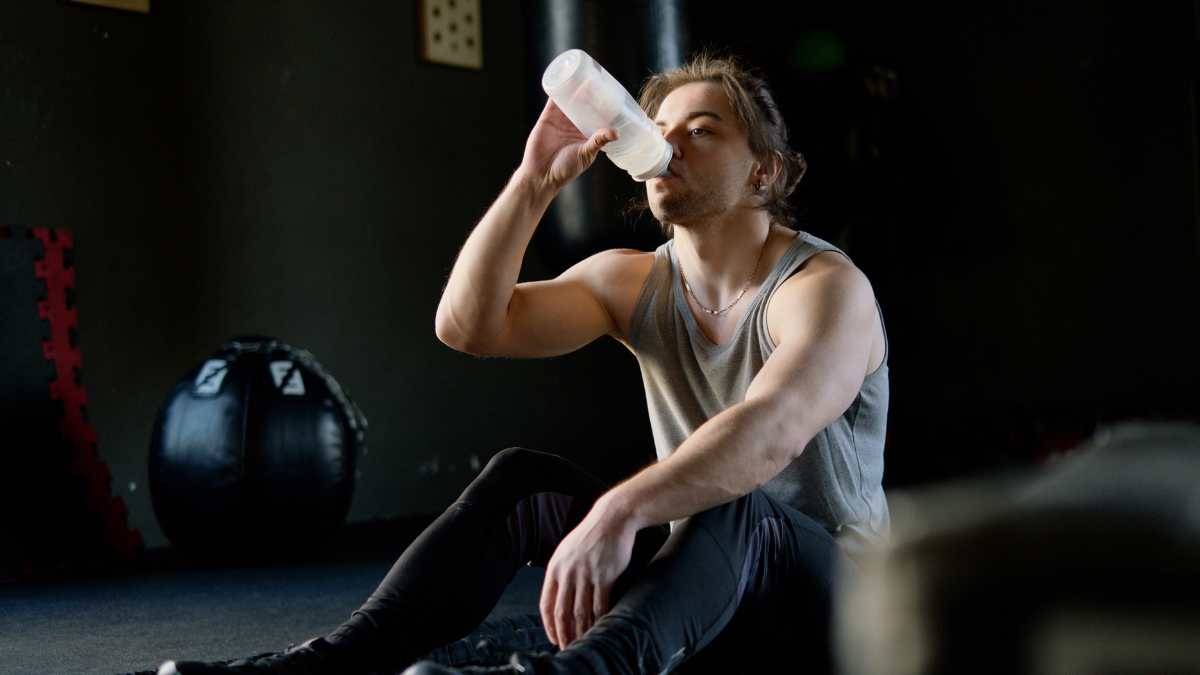
Hydration in Sport
During exercise, water is required to maintain your blood volume and regulate our core body temperature. You lose water during exercise by sweating, a mechanism your body uses to keep you cool. It is important to replace this water, or you will become dehydrated.
Dehydration
In technical terms, dehydration is a fluid loss of >2% of your body mass. When you are dehydrated your blood volume decreases, making it more difficult for your body to maintain a blood pressure that will deliver enough blood to your hard-working muscles. To compensate, your heart rate increases, putting strain on your cardiovascular system.
This makes exercise seem harder, and often results in decreased performance.
Dehydration can also affect cognitive function during exercise which is detrimental in sports requiring quick thinking and decision making.
Maintaining and Restoring Hydration
Ensuring your body is hydrated during exercise will allow you to get the edge in your exercise performance.
Before exercise
- To avoid early dehydration, always begin exercise in a hydrated state.
- Plan your hydration strategy based on the intensity and duration of the exercise, the temperature and humidity of the environment and your personal sweating rate.
- Sports drinks can be helpful to increase carbohydrate availability and reduce urine losses right before exercise
Rehydrating during exercise
Rehydration strategies during exercise largely depend on the type and duration of exercise you are performing. Use the table below as a guide:
0-60mins
- Small amounts of fluid required
- Usually, water is sufficient
>60 minutes – Low intensity
- Fluid required
- Usually, water is sufficient
>60 minutes – Moderate or high intensity
- Fluid required
- Sports drinks or electrolyte supplements may provide better hydration than water
>4 hours – Ultra-endurance
- Regular fluid intake required
- Athletes should develop an individualised plan to best suit them
While ultra-endurance athletes may develop a hydration plan, the best hydration strategy for most exercising individuals is to drink to thirst. This ensures your rehydration strategy is personalised and prevents over-hydration.
Overhydration can lead to an upset digestive system along with other symptoms that may interfere with performance.
When drinking to thirst it is important to consider your opportunities to hydrate during exercise. For example, during a gym session you may be able to have a drink whenever you like, however during a sports match you may only have short, designated times to rehydrate.
What should you drink?
- Water: short duration or low intensity exercise
- Electrolyte supplements: longer duration, higher intensity. Contain sodium which helps the body to hold on to more fluid and replaces sodium lost in sweat. Useful when excess carbohydrate is not required.
- Sports drinks: longer duration, higher intensity. Contain electrolytes to retain fluid and carbohydrates to provide additional fuel for activity. Useful when athlete wants to rehydrate and refuel at the same time.
Rehydrating after exercise
After exercising your body continues to lose fluid through sweat and urine. Therefore, you should aim to replace 125-150% of fluid lost during the session over the 4-6 hours post exercise. You can figure out your fluid loss during exercise by weighing yourself immediately before and after a particular exercise activity and using this as a rough guide for future.
Tips:
- Drink small amounts of fluid frequently, rather than a large amount straight after exercise
- Milk or milk-based meal replacements and protein shakes are extremely effective in post-exercise rehydration while restoring muscle glycogen, replacing lost sodium and providing protein at the same time
- If you find it difficult to stomach a milk-based drink post exercise, try water with salty, carbohydrate rich foods for a similar rehydration effect
- Try to avoid caffeine and alcohol as these are diuretics
December 8, 2025


Be the first to comment