
Omega 3 for ADHD: what the research actually shows (especially for neurodivergent athletes)
If you have ADHD and train or compete, you have probably wondered whether omega-3 supplements are worth your time.
You might have seen claims that fish oil “improves focus”, helps emotional regulation, or supports brain health. You might also have seen people dismiss it entirely as useless.
As with most things in nutrition, the truth sits in the middle.
This article breaks down what the research actually says about EPA (eicosapentaenoic acid) and ADHD, what effects are realistic, who might benefit most, and how this fits into performance nutrition for neurodivergent athletes.
This is not about quick fixes. It is about understanding where EPA may be a supportive tool, and where it is not.
What is omega 3?
Most studies look at omega-3 fatty acids, particularly:
- EPA (eicosapentaenoic acid)
- DHA (docosahexaenoic acid)
Both are found in fish oil and some algal supplements. When ADHD studies show benefit, EPA tends to be the omega-3 most strongly associated with symptom improvement, not DHA alone.

Why omega-3s are even discussed in ADHD
Omega-3 fatty acids are structural components of brain cell membranes. They influence how neurons communicate, respond to signals, and regulate inflammation.
In research settings:
- Children and adolescents with ADHD often show lower blood levels of omega-3s compared to non-ADHD controls.
- Omega-3s are involved in pathways related to attention, impulse control, emotional regulation, and stress responses.
That does not mean low omega-3s cause ADHD. It does help explain why researchers started exploring whether supplementation could support symptoms.
What do systematic reviews and meta-analyses actually show?
When you zoom out and look at the highest-quality evidence, a few consistent themes appear.
1. Effects are real but modest
Multiple meta-analyses and reviews have found that omega-3 supplementation can lead to small improvements in ADHD symptoms, particularly inattention.
These effects are:
- Smaller than stimulant medication
- Not universal
- Highly variable between individuals
This matters because online discussions often frame supplements as either useless or life-changing. Neither is accurate.
2. EPA appears more important than DHA
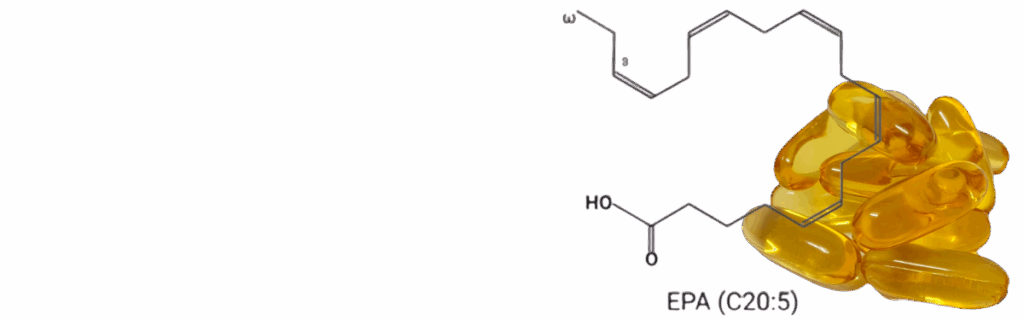
When studies separate out omega-3 types, higher EPA doses are more consistently associated with benefit than DHA alone.
Some analyses suggest that supplements with a higher EPA proportion perform better than low-EPA or DHA-dominant formulas.
This is one reason many people try fish oil and feel nothing. They are taking products with very little EPA.
3. Baseline omega-3 status matters
One of the more interesting findings in the literature is that people with lower baseline EPA levels may benefit more from supplementation.
In other words, if you already eat oily fish regularly, you may notice very little change. If you rarely consume omega-3-rich foods, the impact may be more noticeable.
This helps explain why responses are so individual.
4. Not all reviews agree
Some recent meta-analyses have found no clear improvement in core ADHD symptoms overall, largely due to:
- High variability between studies
- Different outcome measures
- Differences in dose, duration, and formulation
This does not mean EPA “does nothing”. It means the signal is small and easily diluted when study designs vary.
From a clinical perspective, this reinforces that EPA is a support, not a standalone treatment.
How might EPA influence ADHD symptoms?
The proposed mechanisms are biologically plausible, but not magic.
EPA may support ADHD symptoms through:
Brain cell membrane function
Omega-3s influence membrane fluidity, which affects how receptors and transporters function. This matters for neurotransmitter signalling related to attention and impulse control.
Inflammatory signalling
EPA has anti-inflammatory properties. Chronic low-grade inflammation is not “the cause” of ADHD, but inflammatory signalling may influence mood, cognition, and stress tolerance.
Stress and emotional regulation pathways
There is emerging discussion around omega-3s and regulation of stress systems, including interactions with autonomic and HPA-axis signalling.
Importantly, these mechanisms support the idea of incremental improvement, not dramatic transformation.

What doses are actually used in ADHD research?
This is where most supplement advice goes wrong.
Many products advertise “1000 mg fish oil”. That number is largely meaningless.
What matters is the EPA and DHA content, not the total oil weight.
Across trials showing benefit, doses often fall around:
- 1–2 g per day of combined EPA + DHA
- With EPA making up the majority
A practical, evidence-aligned approach many clinicians use is:
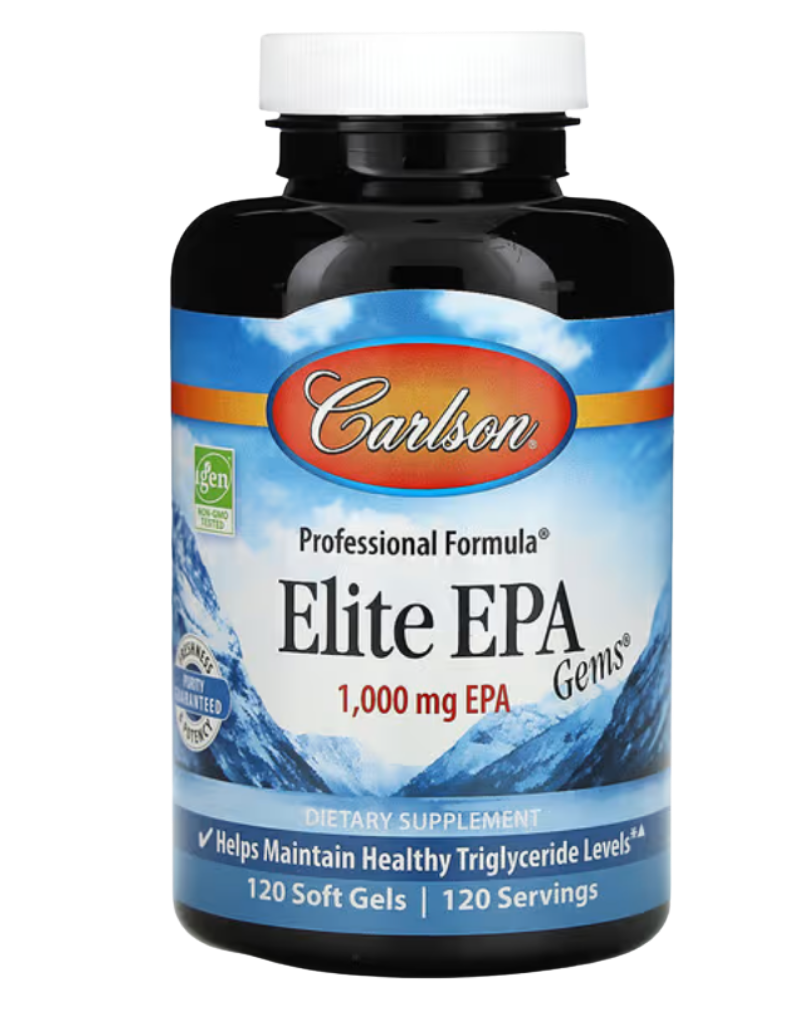
- Around 1000 mg EPA per day
- With 200–500 mg DHA, depending on formulation
This is not a universal prescription. It is a starting point that reflects how studies are designed.
How long does EPA take to work?
Omega-3s are incorporated into cell membranes over time.
Most studies run for 8 to 16 weeks, and changes are not expected before several weeks of consistent intake.
This matters for ADHD brains because:
- Inconsistency makes it impossible to assess benefit
- Stopping after one or two weeks tells you very little
If EPA is going to help, it tends to show up as subtle improvements in focus, emotional regulation, or cognitive steadiness, not a sudden “switch”.
Choosing an omega-3 supplement: what actually matters
When working with neurodivergent athletes, the biggest barriers are not motivation or discipline. They are clarity and systems.
Here is what to look for:
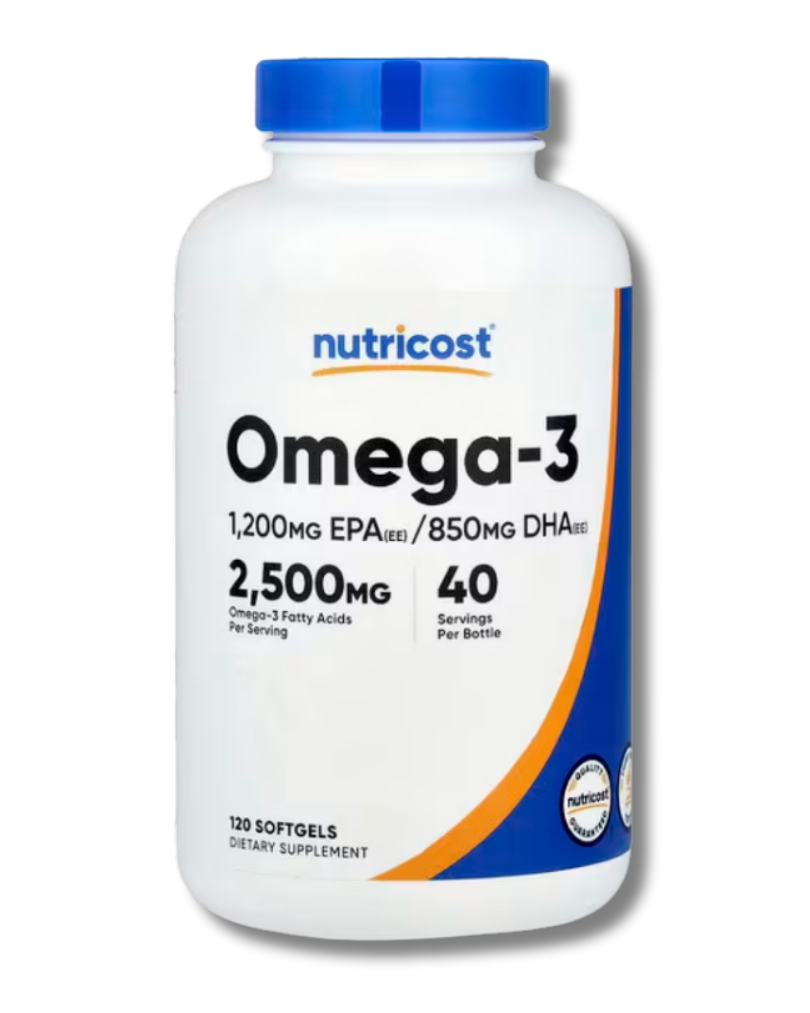
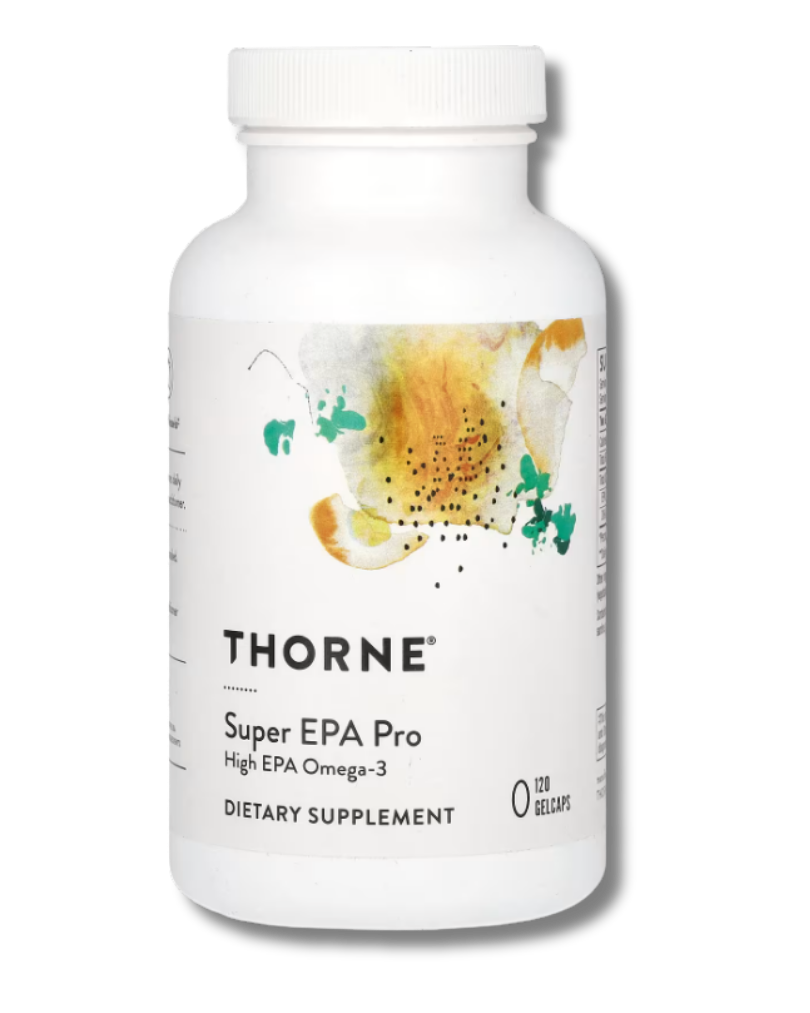
Read the EPA number
Ignore the front label. Look at the nutrition panel.
- Check how many milligrams of EPA per capsule or serve
- Calculate how many capsules equal your target EPA dose
Choose EPA-forward formulas
Many generic fish oils are DHA-heavy. These are not wrong, but they are less aligned with ADHD research.
Consider tolerability
If reflux or nausea occurs:
- Take with food
- Split the dose
- Try a different formulation or brand
For people with fish allergy or aversion, algal omega-3 supplements can be an option, but ensure they contain EPA, not just DHA.
Safety considerations
Omega-3 supplements are generally well tolerated, but context matters.
Extra caution is warranted if you:
- Take anticoagulant or antiplatelet medications
- Have a bleeding disorder or frequent bruising
- Are considering doses above ~3 g per day combined EPA + DHA
- Have upcoming surgery
At commonly used doses, omega-3s do not appear to significantly increase bleeding risk for most people, but individual assessment is important.
How EPA fits into performance nutrition for ND athletes
This is the part that often gets missed.
EPA does not compensate for:
- Chronic under-fueling
- Irregular meals
- Poor sleep
- Burnout
- Inadequate recovery
In neurodivergent athletes, ADHD symptoms are often amplified by:
- Missed meals due to hyperfocus
- Appetite suppression from stimulant medication
- High training loads without matching fuel
- Nervous system overload
In practice, EPA works best when layered on top of:
- Regular eating patterns
- Adequate carbohydrate and protein intake
- Predictable routines
- Supportive training environments
Supplements do not create performance. They support the systems that allow performance to happen.
The bottom line
The research on EPA and ADHD suggests:
- Small, meaningful benefits for some people
- Greater likelihood of benefit with EPA-forward dosing
- No guarantee of response
- No replacement for medical, psychological, or nutritional care
For neurodivergent athletes, EPA may be a useful part of a broader support strategy, particularly when omega-3 intake is low and consistency is achievable.
If you are looking for rigid rules or instant results, this will likely disappoint you.
If you are open to incremental improvements layered into sustainable systems, it may be worth exploring with professional guidance.
Want support applying this properly?
This is exactly the kind of nuance we work through with neurodivergent athletes and high performers. Not just supplements, but how nutrition, training, medication effects, and nervous system load interact in real life.
If this article resonated, you are likely a good fit for our approach.
References
- Bloch, M. H., & Qawasmi, A. (2011).
Omega-3 fatty acid supplementation for the treatment of children with attention-deficit/hyperactivity disorder symptomatology: systematic review and meta-analysis.
Journal of the American Academy of Child & Adolescent Psychiatry, 50(10), 991–1000.
https://doi.org/10.1016/j.jaac.2011.06.008 - Chang, J. P.-C., Su, K.-P., Mondelli, V., et al. (2019).
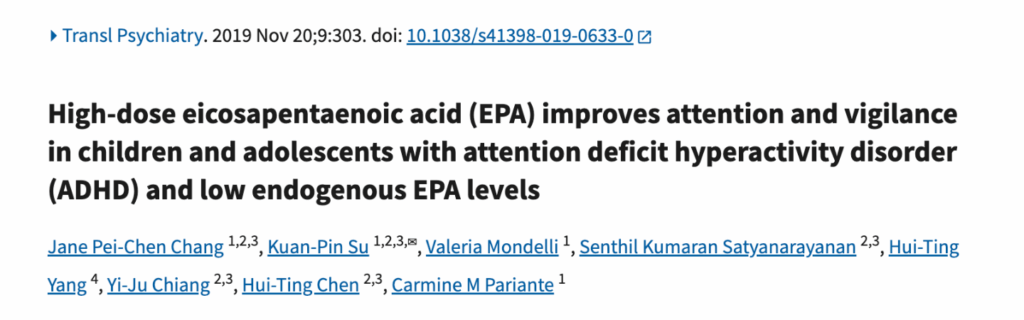
High-dose eicosapentaenoic acid (EPA) improves attention and vigilance in children and adolescents with ADHD: a randomized, double-blind, placebo-controlled study.
Translational Psychiatry, 9, 303.
https://doi.org/10.1038/s41398-019-0633-0 - Cooper, R. E., Tye, C., Kuntsi, J., et al. (2016).
Omega-3 polyunsaturated fatty acid supplementation and attention deficit hyperactivity disorder: a systematic review and meta-analysis.
Journal of the American Academy of Child & Adolescent Psychiatry, 55(8), 642–651.
https://doi.org/10.1016/j.jaac.2016.05.006 - Gillies, D., Sinn, J. K. H., Lad, S. S., et al. (2023).
Polyunsaturated fatty acids (PUFA) for attention deficit hyperactivity disorder (ADHD).
Cochrane Database of Systematic Reviews, Issue 6.
https://doi.org/10.1002/14651858.CD007986.pub4 - Liu, J., Sun, J., et al. (2023).
Effectiveness of omega-3 fatty acids in attention-deficit/hyperactivity disorder: a meta-analysis of randomized controlled trials.
European Child & Adolescent Psychiatry.
https://doi.org/10.1007/s00787-023-02130-8 - Richardson, A. J. (2004).
Long-chain polyunsaturated fatty acids in the brain: role in neurodevelopment and psychiatric disorders.
Progress in Neuro-Psychopharmacology & Biological Psychiatry, 28(7), 1017–1040.
https://doi.org/10.1016/j.pnpbp.2004.06.012 - Su, K.-P., Lai, H.-C., Yang, H.-T., et al. (2015).
Omega-3 fatty acids in the prevention of interferon-alpha-induced depression: results from a randomized, controlled trial.
Biological Psychiatry, 76(7), 559–566.
https://doi.org/10.1016/j.biopsych.2014.09.008
(Included for mechanistic relevance to inflammation and mood regulation) - RACGP. (2021).
Fish oil: what the evidence says.
The Royal Australian College of General Practitioners.
https://www.racgp.org.au/clinical-resources/clinical-guidelines/key-racgp-guidelines/view-all-racgp-guidelines/red-book/preventive-activities-in-adults/fish-oil - National Prescribing Service (NPS) MedicineWise.
Omega-3 fatty acids: safety and interactions.
https://www.nps.org.au


Be the first to comment