
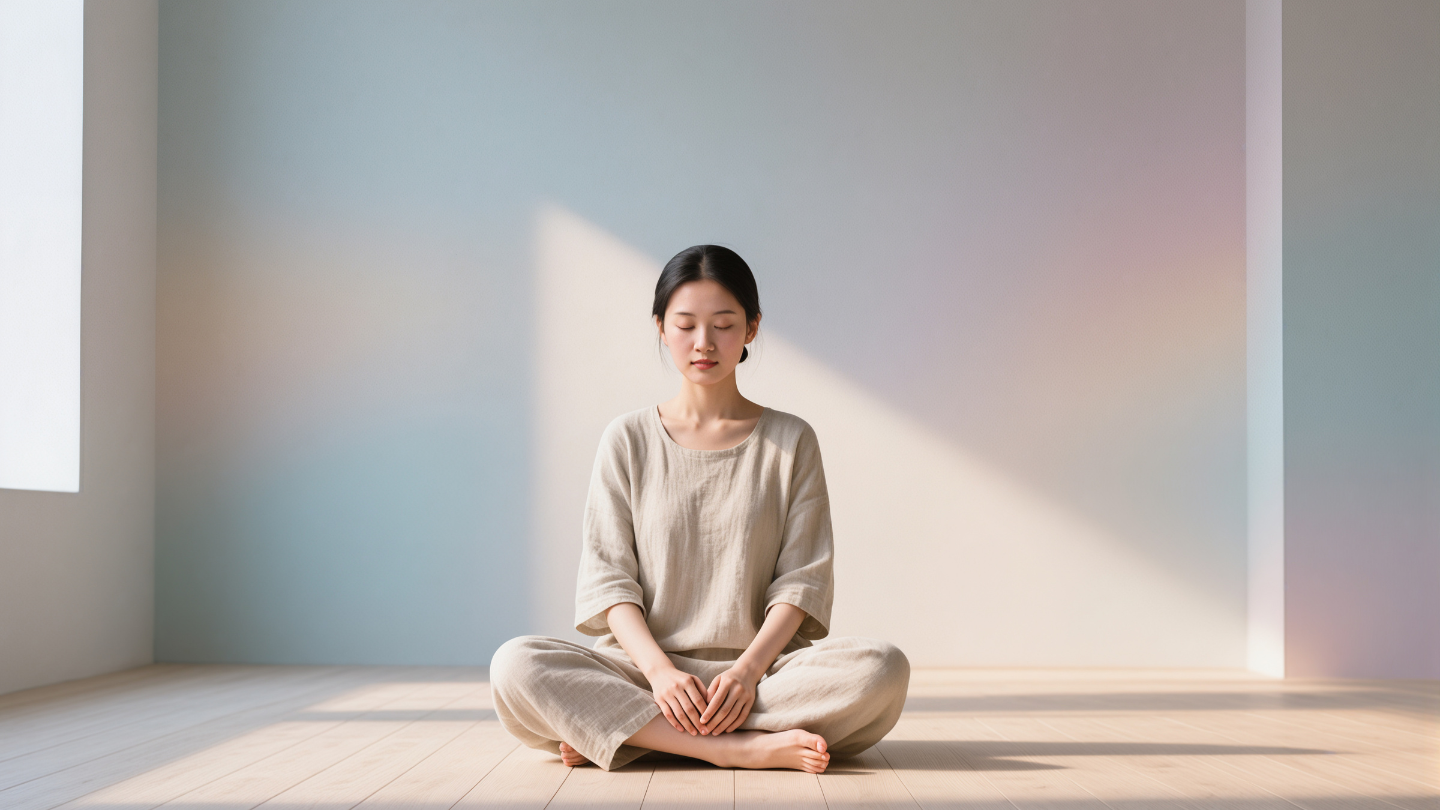
What Does Health Look Like When Nobody’s Watching?
When we picture ‘health’, what do we envision?
Leanness. Muscle definition. Consistency. Discipline.
These visions of health are easy to photograph, easy to praise, and easy to mistake for wellbeing. Especially in fitness and sport, we are taught that if it looks healthy, it probably is.
But most of what actually supports long-term health and performance happens away from mirrors, metrics, and timelines.
So it is worth asking a different question.
What does health look like when nobody is watching?
When Health Is Defined by What Shows
Athletes and fitness-focused people are often measured by visible effort.
You look committed if you never miss a session.
You look disciplined if your body stays lean year-round.
You look healthy if your routine never wavers.
The problem is that appearance-based health rewards what is obvious, not what is sustainable.
Many of the behaviours that keep someone well, regulated, and performing over time are quiet. They do not stand out. They rarely earn praise.
And yet, they matter far more than aesthetics ever will.
The Moment the Metrics Fall Away
A useful way to reflect on health is to imagine this.
No tracking.
No photos.
No one to impress.
When progress is no longer visible or validated externally, what behaviours remain?
This is often where the cracks appear.
If training only feels worthwhile when it changes how your body looks, motivation collapses when aesthetics shift.
If fueling feels justified only by output, eating becomes stressful when training load drops.
If rest creates anxiety, the system was never about health in the first place.
Health for Athletes Is Built Off-Camera
For athletes, real health shows up in places that are easy to overlook.
It looks like:
- Adjusting training when the season changes
- Eating enough during lower-volume phases
- Taking rest days without guilt or panic
- Respecting illness, injury, or fatigue instead of pushing through
These choices rarely feel impressive. They are not performative. But they are exactly what allow adaptation, recovery, and longevity in sport.
Performance does not come from constant intensity. It comes from appropriate stress followed by adequate recovery.
Regulation Beats Control Every Time
A major shift we see at All Bodies is moving from control-based health to regulation-based health.
Control says:
Stick to the plan at all costs.
Earn your food.
Do not deviate.
Regulation says:
Adjust when your body asks you to.
Fuel first, not later.
Respond instead of rigidly following rules.
When nobody is watching, health often looks like flexibility.
Eating enough even when training feels lighter.
Letting one session or one meal be neutral.
Changing plans without spiralling into guilt or self-criticism.
This is not weakness. It is resilience.
A Healthy Relationship With Training Is Quiet
When health is supportive, training stops being a moral test.
You are not earning food.
You are not chasing exhaustion to feel valid.
You are not panicking over missed sessions.
Instead, movement becomes something that serves your life and your goals. Not something that controls them.
For many athletes, this shift is uncomfortable at first. Especially if discipline has been a core part of identity. But over time, it creates far more consistency and far less burnout.
The Markers of Health That Rarely Get Attention
Some of the strongest indicators of health are also the least visible.
Consistent energy across the day.
Stable mood and focus.
Improved recovery between sessions.
Fewer niggles and injuries.
Trust in hunger, fullness, and fatigue cues.
None of these are easy to post online. But they are what keep people training, competing, and enjoying movement long-term.
You Are Allowed to Want Longevity Over Leanness
This matters for athletes and fitness-focused people in particular.
You are allowed to care about performance without chasing a certain look.
You are allowed to fuel properly even if your body changes.
You are allowed to prioritise durability, not constant optimisation.
This is not letting go of standards. It is choosing standards that actually support health.
Elite thinking is not about doing the most. It is about doing what works over time.
Health Without an Audience
When nobody is watching, health is less dramatic than we expect.
It is quieter. More flexible. Less extreme.
And that is often a sign you are doing it right.
If health did not have to look like anything, many people would train differently, eat with more ease, and feel far less pressure to prove themselves.
That kind of health does not trend. But it lasts.
At All Bodies, we believe health should add capacity, not take it away. Especially for people who love fitness and sport.
If this resonates, it may be worth asking what parts of your health exist only for an audience, and which ones support you when no one else is looking.
January 13, 2026


Be the first to comment